
Storytelling has the power to build empathy, mobilise communities and inspire action. But ethical storytelling asks an equally important question: How do we share stories of impact while preserving the dignity and agency of the people whose stories we tell?
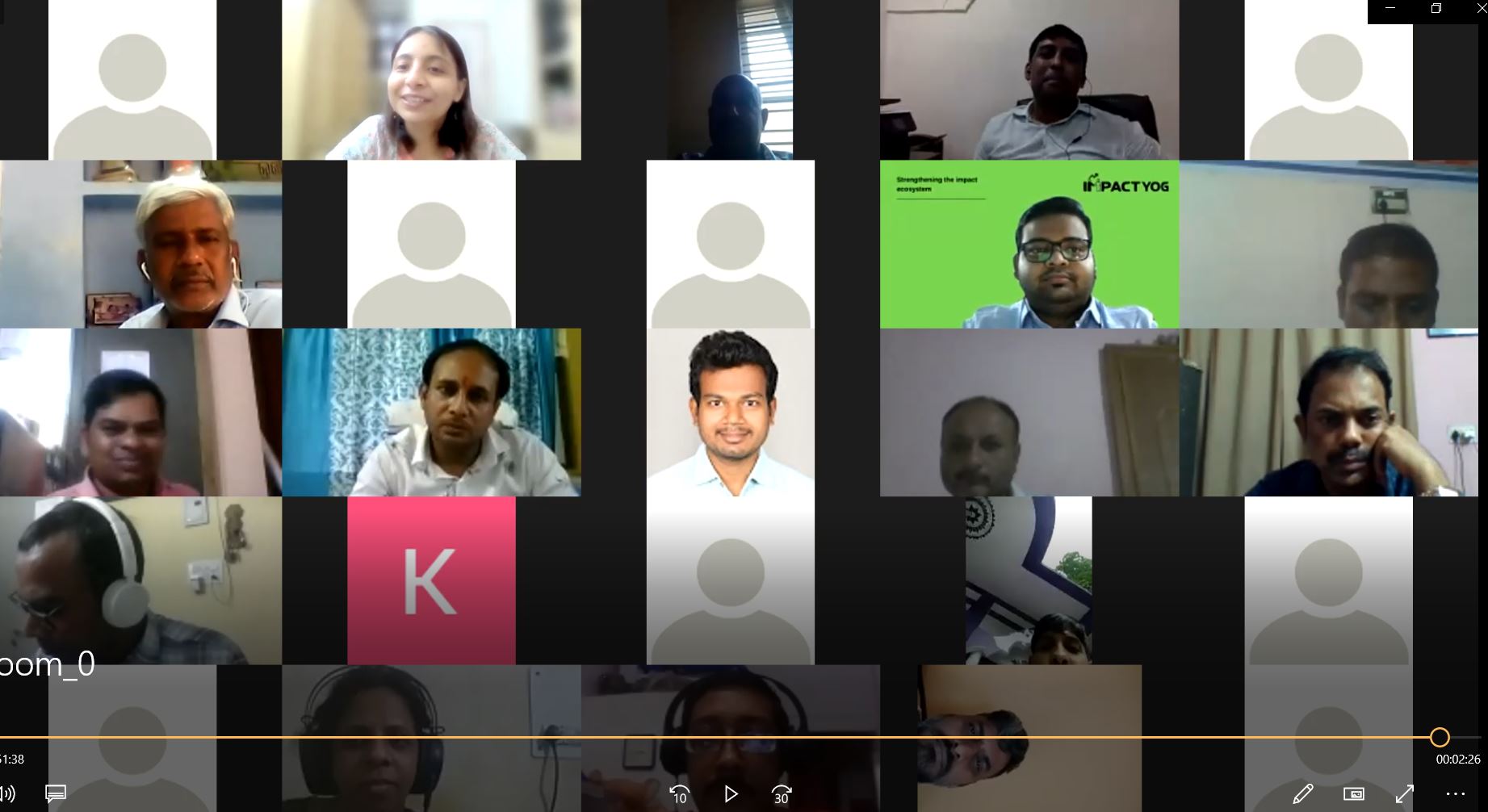
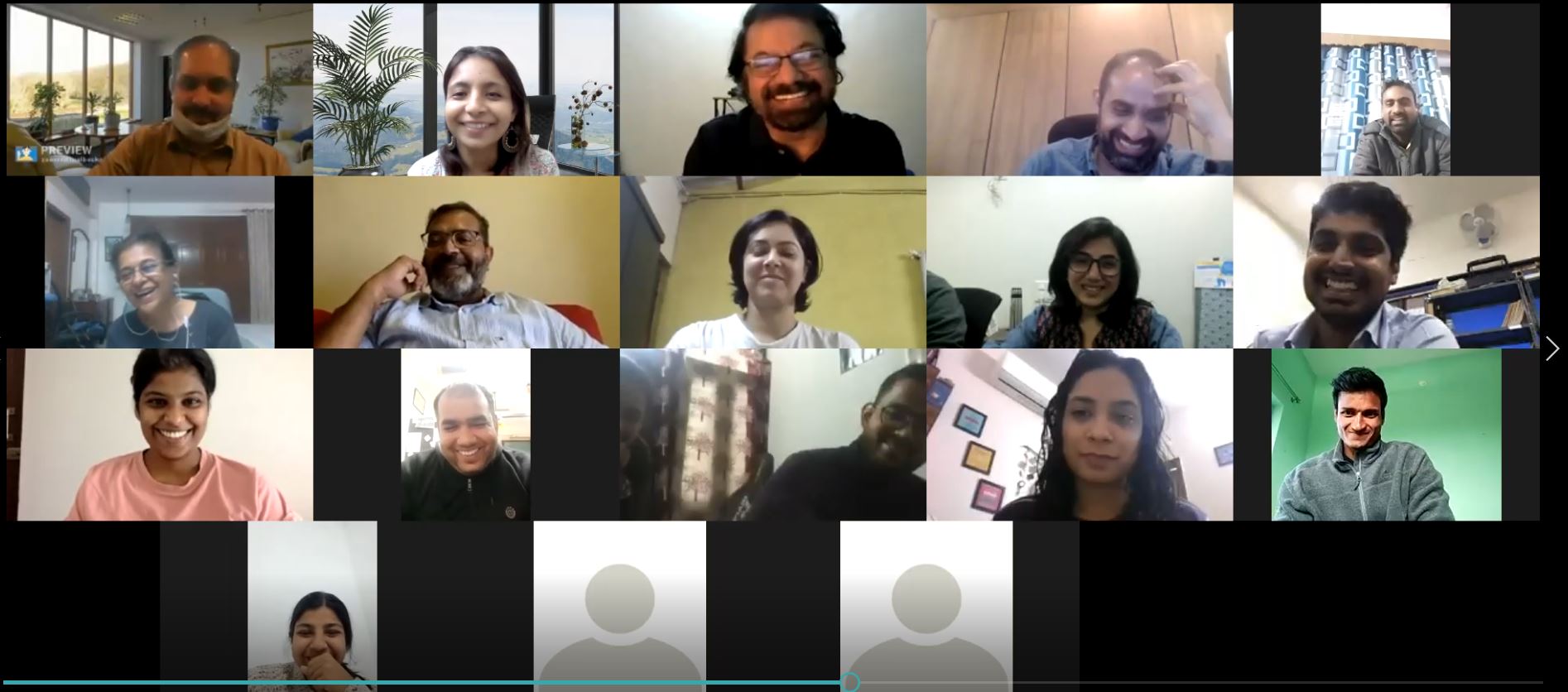
This question formed the heart of one of the most thought-provoking discussions during a recent Storytelling for Impact workshop with social entrepreneurs from an NGO incubator.
A participant shared that they didn’t feel comfortable showing photographs of the beneficiaries their organisation worked with.
“It just doesn’t feel right.”
His observation sparked an engaging discussion.
Someone else in the group responded,
“It should be okay since we take their consent.”
For a moment, that seemed like a reasonable answer.
Then another participant asked,
“But can we really assume consent is always a free choice? When there’s such a difference in power and circumstance, can someone always feel comfortable saying no?”
The room fell silent.
And then came the question that shifted the discussion.
“Then how do we share our work?”
It was a genuine dilemma.
How do we communicate impact without compromising the dignity of the people we serve?
How do we tell stories that inspire empathy without defining people solely by their challenges?
The discussion reminded us that ethical storytelling is about far more than choosing the right words or the right photograph.
It’s about making thoughtful choices.
Perhaps the answer is not to stop telling stories. Perhaps it’s to tell them differently.
To focus on resilience alongside need. To highlight partnership rather than charity. To create opportunities for communities to share their own voices, wherever possible.
We didn’t leave the workshop with one definitive answer.
But we did leave with better questions.
Questions that every nonprofit, communicator and storyteller should ask before sharing a story, photograph or case study.
As communicators, perhaps we don’t just need to ask,
“Will this story move people?”
Perhaps we should also ask,
“Is this our story to tell? And if it is, are we telling it in a way that we’d be comfortable with if the roles were reversed?”
For me, that is the essence of ethical storytelling—communicating impact while respecting the dignity, agency and humanity of the people whose stories we are privileged to share.
How does your organisation navigate this balance between communicating impact and practising ethical storytelling? I’d love to hear your thoughts.